
Albert Cuyp Market Food Guide: Best Eats After Shopping in De Pijp
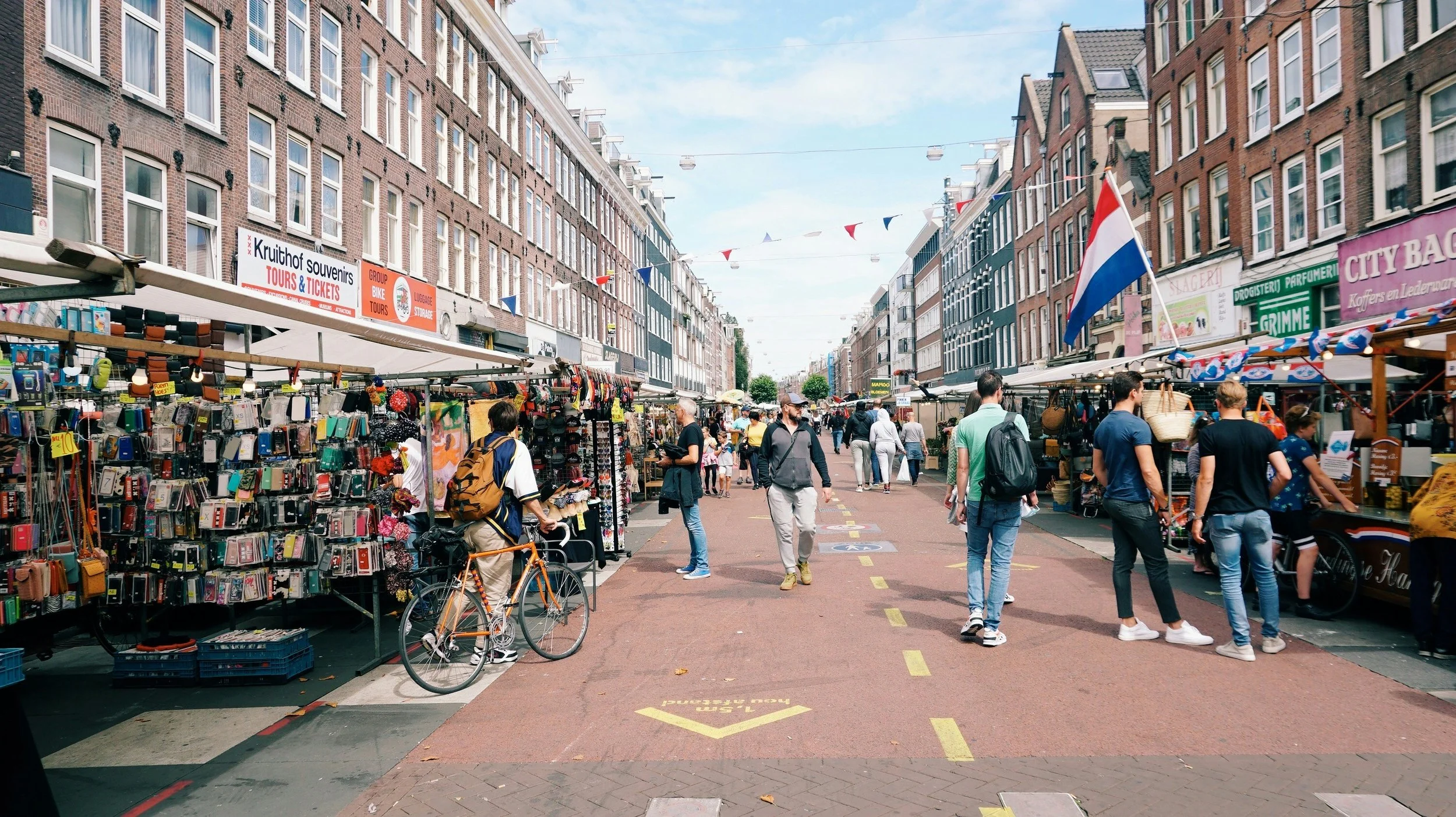
Photo: Matheus Frade
You've just spent the morning weaving through Amsterdam's most famous street market, dodging bicycles and sampling stroopwafels. Your tote bag is heavy with fresh flowers, vintage finds, and maybe a wheel of aged Gouda. Now comes the real question: where should you eat near Albert Cuyp market?
De Pijp, Amsterdam's most vibrant neighborhood, isn't just about the market stalls. This corner of the city has evolved into a serious food destination, where traditional Dutch eetcafés share cobblestone streets with inventive international kitchens. The challenge isn't finding a place to eat. It's choosing from the embarrassment of riches surrounding Albert Cuypstraat.
Why De Pijp Is Amsterdam's Hottest Food Scene
Before we dive into specific recommendations, let's talk about what makes this neighborhood special. De Pijp (literally "The Pipe") earned its name from the narrow streets that resemble pipe stems on old city maps. Originally built as working-class housing in the late 19th century, it's undergone a dramatic transformation.
Today, it's where locals actually want to live and eat. Unlike the tourist-packed city center, De Pijp maintains an authentic Amsterdam vibe while offering genuinely excellent food. The area around the market has become a testing ground for ambitious chefs and a haven for food lovers who know their bitterballen from their kroketten.
Traditional Dutch Comfort After Market Wandering
Let's be honest. After a few hours at Albert Cuyp, you might be craving something hearty and unapologetically Dutch. The neighborhood delivers on this front with several spots that take traditional recipes seriously.
The classic eetcafé experience is alive and well here. These neighborhood restaurants serve the kind of food Dutch grandmothers made famous: slow-cooked stews, crispy schnitzels, and stamppot (mashed potato dishes mixed with vegetables) that'll anchor you after all that walking. Look for places with blackboard menus written in Dutch. That's usually a good sign you're getting the real deal.
Some establishments have been feeding market-goers for decades, their walls decorated with vintage photographs of De Pijp from another era. The portions are generous, the beer list skews local, and the atmosphere feels like dining in someone's well-loved living room.
International Flavors That Reflect Amsterdam's Diversity
Here's where De Pijp really shines. The neighborhood's multicultural makeup means the dinner after Albert Cuyp could take you anywhere from Istanbul to Jakarta without leaving a three-block radius.
Indonesian rijsttafel restaurants are particularly strong here. A fitting choice given the Netherlands' colonial history with Indonesia. These elaborate rice table feasts include a dozen small dishes showcasing different flavors and cooking techniques. It's the perfect way to sample broadly when you can't decide what you're craving.
Mediterranean options abound too. Whether you're after Greek mezze, Spanish tapas, or Italian pasta made by someone's actual nonna, you'll find passionate cooking happening in intimate dining rooms just steps from the market. Many of these spots source ingredients directly from Albert Cuyp vendors, creating a beautiful farm-to-table (or rather, market-to-table) loop.
Cabrón Amsterdam: Where Mexican Soul Meets Dutch Cool
Now, let's talk about one spot that's become something of a legend among those who know where to eat Albert Cuyp. Cabrón Amsterdam brings legitimate Mexican flavors to a neighborhood that was definitely missing this kind of bold, unfussy cooking.
What sets this place apart is the refusal to tone things down for European palates. The kitchen uses proper chilies, builds complex salsas from scratch, and treats tacos with the respect they deserve. This isn't some watered-down approximation. It's the real deal, adapted thoughtfully for local ingredients when it makes sense.
The space itself captures De Pijp's creative energy. Exposed brick, vibrant artwork, and a bar that takes its mezcal seriously create an atmosphere that's both relaxed and buzzing. It's the kind of place where you pop in for "just one drink" and suddenly realize you've been there for three hours, because the conversation flowed as smoothly as the cocktails.
For market-goers looking to refuel, the menu hits that sweet spot between satisfying and exciting. Start with some guacamole made table-side (because yes, they do that). The taco selection changes based on what's fresh, but expect options that range from familiar carnitas that fall apart at the touch of a fork to adventurous fish preparations with unexpected salsas that make your taste buds stand at attention.
The drink program deserves special mention. Beyond an impressive selection of tequilas and mezcals, they craft cocktails that complement the food rather than competing with it. Their margaritas have achieved near-cult status among regulars, balanced perfectly between sweet, sour, and that essential agave backbone.
What really makes Cabrón work as a dinner after Albert Cuyp is the vibe. The staff genuinely seems to enjoy being there, which creates an infectious energy. Whether you're rolling in with market bags still in hand or settling in for a proper evening, the welcome feels authentic.
Vegetarian and Vegan Victory Laps
De Pijp might surprise you with its plant-based options. Amsterdam has embraced vegetarian and vegan dining with enthusiasm, and this neighborhood leads the charge.
Several restaurants have built entire menus around vegetables, grains, and legumes that would make even committed carnivores reconsider their choices. These aren't afterthought salads. We're talking about thoughtful, globally-influenced dishes where plants take center stage because they deserve to, not because they're filling a dietary restriction gap.
The best spots treat vegetarian cooking as its own cuisine rather than merely substituting meat. You'll find creative preparations using seasonal produce (some of it likely purchased that morning from Albert Cuyp vendors), inventive protein combinations, and flavors that don't rely on dairy or eggs as crutches.
Coffee, Cake, and the Art of the Dutch Pause
Sometimes what you need after market shopping isn't a full meal but rather a proper coffee break. De Pijp's café culture is exceptional, with spots that take their brew seriously while maintaining that essential gezelligheid (that untranslatable Dutch concept of coziness and conviviality).
Settle into a café along Ferdinand Bolstraat or one of the quieter side streets, order a flat white and a slice of apple cake (appeltaart, a Dutch institution), and watch neighborhood life unfold. This is people-watching at its finest, where you might spot everyone from artists sketching in notebooks to business meetings conducted entirely in a mix of Dutch and English.
Timing Your Post-Market Meal
Here's some insider knowledge about when to eat in De Pijp. The lunch rush hits between 12:30 and 2 PM, when the market is at its busiest. If you're looking for a more relaxed experience, aim for an early lunch (before noon) or late lunch (after 2:30 PM).
Dinner service typically starts around 5:30 or 6 PM, though many places don't get busy until 7:30 or 8 PM. Amsterdam diners eat relatively early compared to Mediterranean countries but later than typical American dinner hours. This works in your favor if you've spent the afternoon at the market and want to transition seamlessly into evening plans.
Weekends are predictably busier, especially Saturdays when the market draws the biggest crowds. Reservations are smart for dinner, particularly at smaller establishments. Many places accept walk-ins for lunch, but expect to wait during peak times.
Beyond the Obvious: Hidden Gems Worth Finding
The most memorable meals often happen at places you almost walked past. De Pijp rewards exploration. Wander down Eerste van der Helststraat or Tweede Jan Steenstraat, and you'll stumble upon tiny restaurants with just eight tables, where the owner is also the chef and probably serving your wine.
These neighborhood spots might not have Instagram-perfect presentations, but they're often where locals eat when they want to celebrate something special or comfort themselves after a rough week. The food is personal, often representing the chef's heritage or travels. Prices tend to be surprisingly reasonable given the quality.
Don't discount the humble sandwich shops either. Some places near the market have perfected the art of the broodje (proper Dutch sandwiches on fresh bread with unexpected combinations that somehow just work). Perfect for taking to Sarphatipark if the weather cooperates.
Making the Most of Your De Pijp Food Adventure
Here's the thing about this neighborhood: you could eat here for a month straight and barely scratch the surface. The best food Albert Cuypstraat offers isn't necessarily the most hyped or the most expensive. It's about matching your mood and appetite with the right spot at the right time.
Pay attention to where you see groups of Dutch speakers dining. Follow your nose when you smell something irresistible. Ask the flower vendor at the market where they're planning to eat lunch. Some of the best recommendations come from people who work in the neighborhood every day.
And don't be afraid to come back. The beauty of De Pijp's food scene is its variety. You could sample a different cuisine every visit and discover something new each time. The market might be the main draw, but the restaurants and bars surrounding it have become destinations in their own right.
The neighborhood's compact size means you can easily pivot if your first choice is fully booked or closed. Everything is within a ten-minute walk, making it simple to explore multiple options until you find the perfect fit.
Your Next De Pijp Move
So, where should you eat near Albert Cuyp market? The honest answer depends on what kind of experience you're craving. But whether you end up at a traditional Dutch café, a family-run Mediterranean spot, or raising a glass at Cabrón Amsterdam, you're tapping into a neighborhood that takes its food seriously while refusing to take itself too seriously.
That combination (quality without pretension, tradition alongside innovation, local charm mixed with international flavors) is what makes De Pijp one of Amsterdam's most delicious neighborhoods. The market might get you here, but the food will keep you coming back.